
The Origin Story
Sri Lankan Spices, Heritage, Flavour, and Origin
An island with spice woven into its history
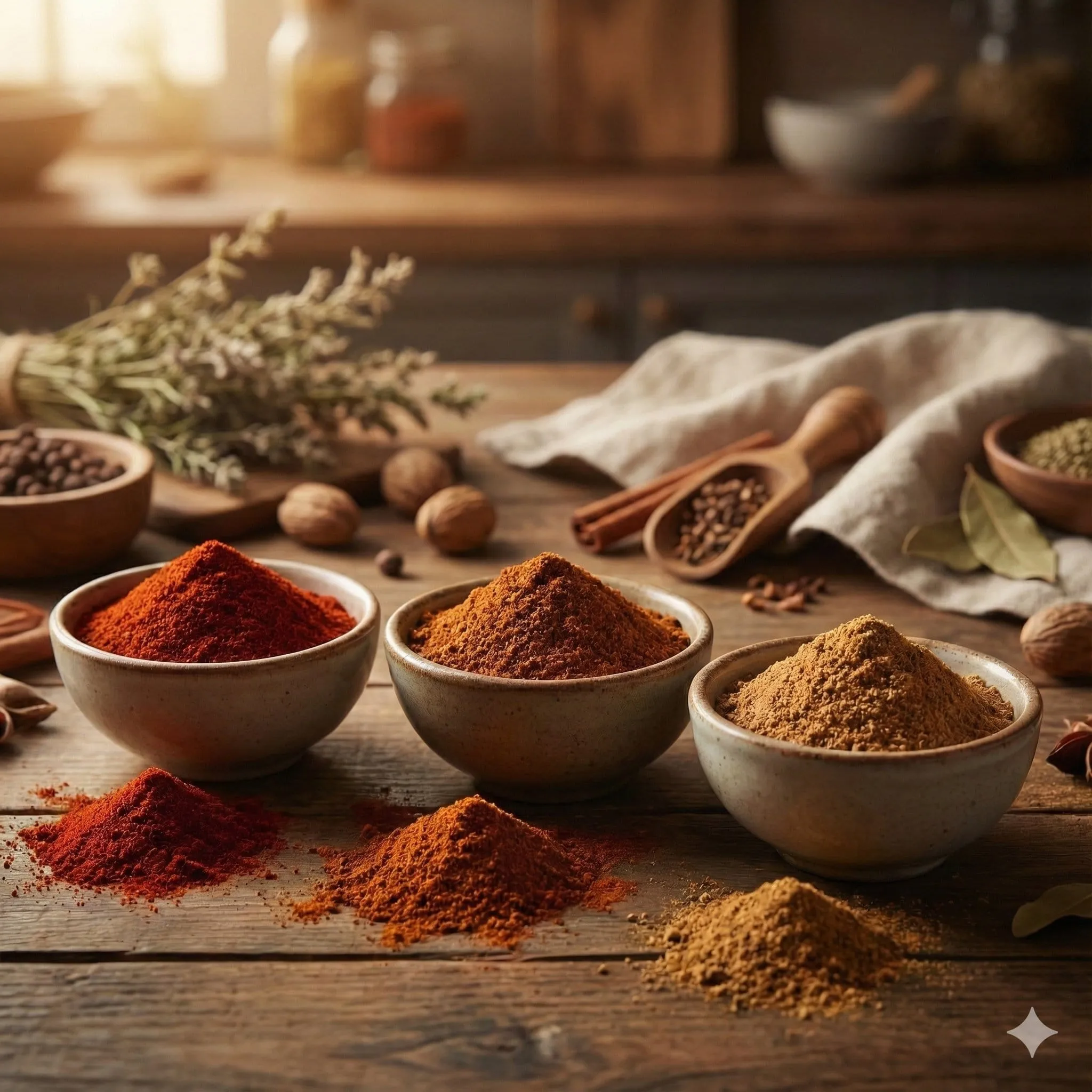
Sri Lanka, historically known as Ceylon, has been valued for its spices for centuries. Long before modern branding and global food trends, the island had already built a reputation for produce with real character. Cinnamon was its most famous export, but black pepper, cardamom, cloves, and nutmeg also helped shape its identity as one of the great spice-producing lands of the region.
What made these spices valuable was not only that they were traded widely. It was that they carried something distinctive. Like Sri Lanka's king coconut and world-renowned sapphires, its spices came to be appreciated for qualities that felt tied to the island itself: depth, fragrance, and a sense of origin that could not easily be replaced.
Climate and geography
Sri Lanka's landscape plays a central role in that character. The island's tropical climate, varied rainfall, fertile soils, and range of elevations create natural conditions that are especially well suited to spice cultivation.
From the warmer coastal regions to the cooler hill country, these differences in place shape the way spices develop in aroma and flavour. In wine, people often speak about terroir. In spices, the idea is much the same. Where something is grown leaves its mark on what it becomes. That is part of what gives Sri Lankan spices their depth and balance.
A spice trade that shaped the island
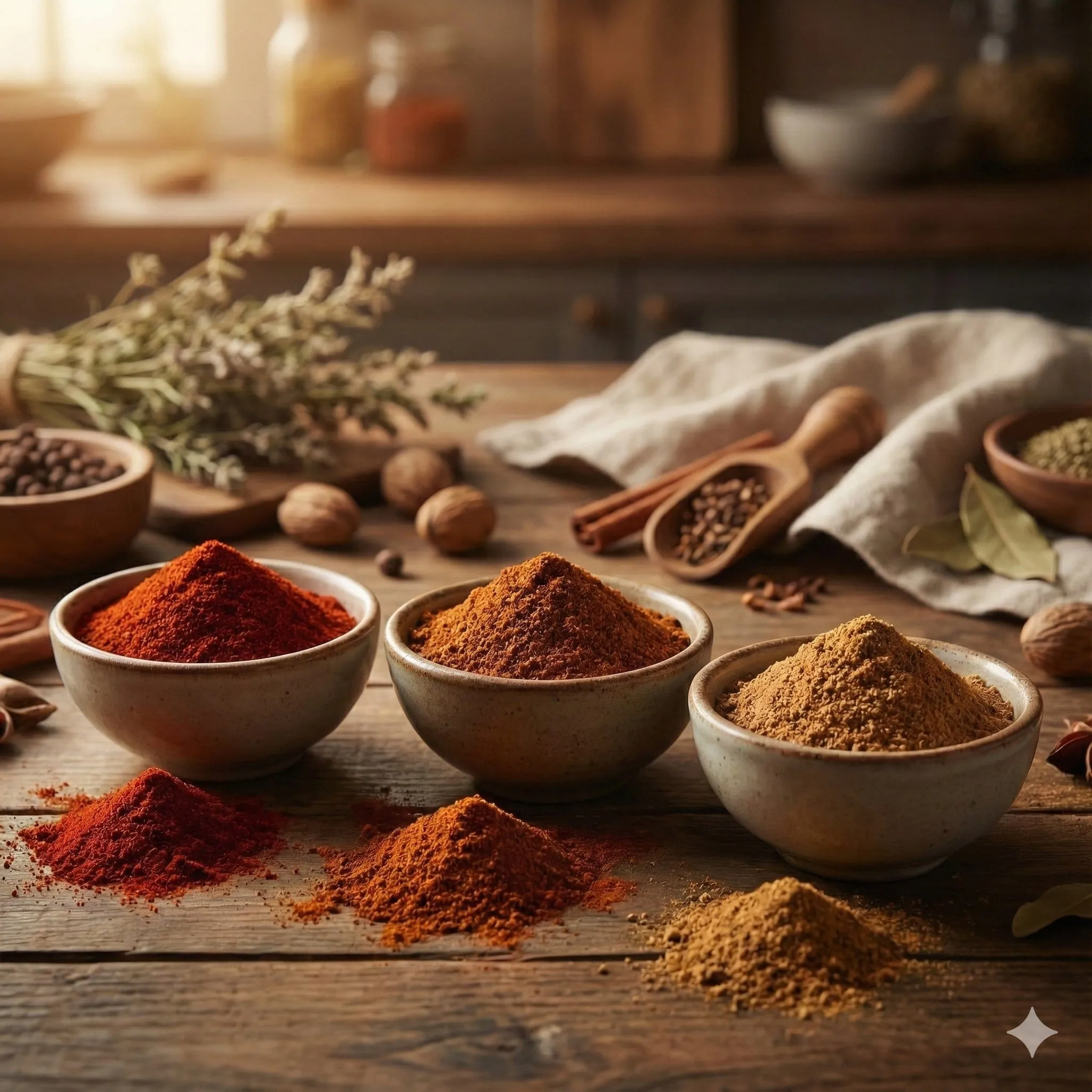
The spice trade was one of the forces that shaped Sri Lanka's history. For centuries, merchants and colonial powers were drawn to the island not only for its location, but for the value of what grew there. Arab traders, followed later by the Portuguese, Dutch, and British, all recognised the importance of Sri Lanka's spice resources.
This history is not just a story from the past. It helps explain why spice cultivation in Sri Lanka is so deeply rooted. The knowledge of when to harvest, how to dry, how to blend, and how to preserve flavour has been carried forward over generations. What exists today is not a recent invention, but a tradition that has had time to mature.
What makes Sri Lankan spices distinctive
Sri Lankan spices stand apart in ways that are easy to recognise once you cook with them. The difference is not only in the story behind them, but in the aroma, the clarity of flavour, and the way they behave in food.
Ceylon cinnamon is soft, refined, and gently aromatic. Sri Lankan black pepper brings clean, assertive heat with depth behind it. Cloves are warm and intensely fragrant. Curry powders carry richness because they are built around flavour, not bulk. These are not spices chosen simply to fill a shelf. They are ingredients with character, made for real cooking, and they bring more character to it.
Serendiva Isle's spice range
A curated selection of Sri Lankan spices for everyday cooking. Each one sourced directly and honestly described.
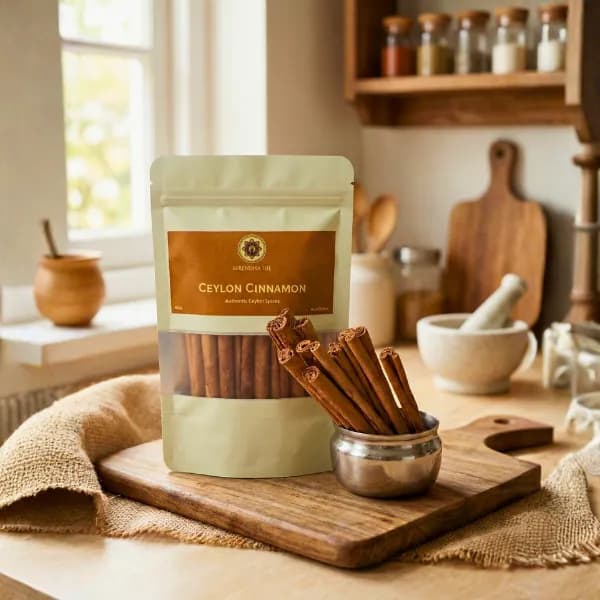
Ceylon Cinnamon
Soft, sweet, and gently aromatic.
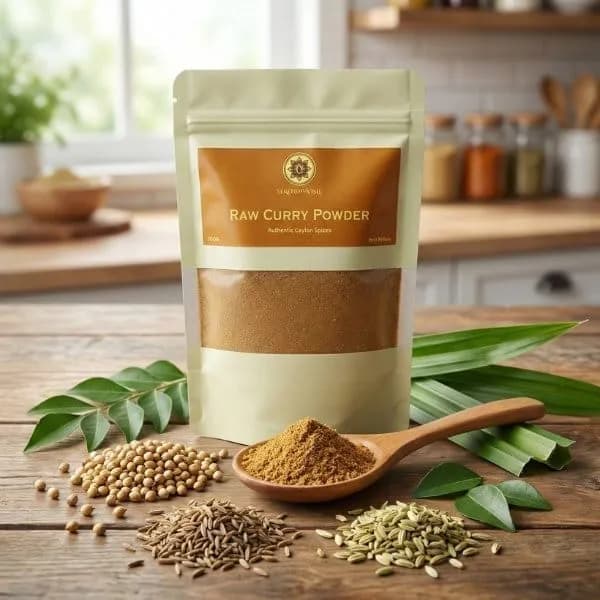
Ceylon Raw Curry Powder
The foundation of Sri Lankan home cooking.
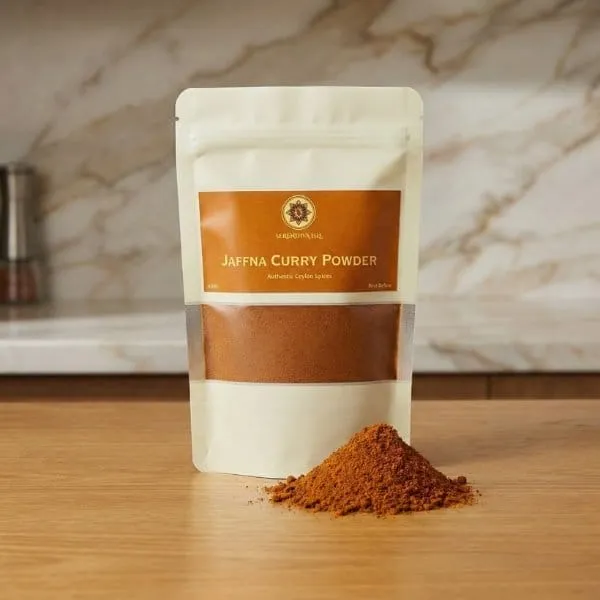
Ceylon Jaffna Curry Powder
Dark-roasted. Deeply aromatic. Distinctly northern Sri Lankan.
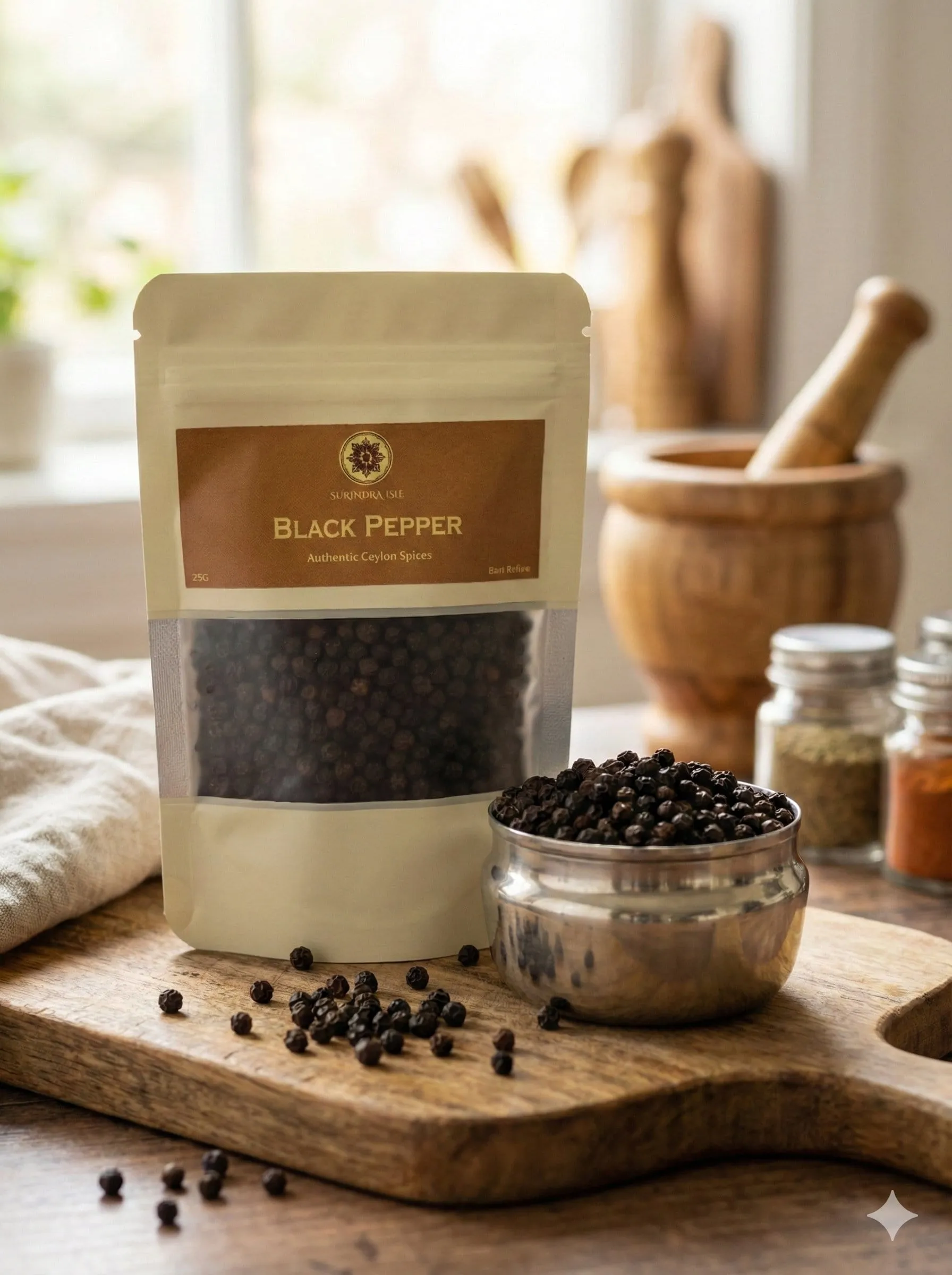
Ceylon Black Pepper Seeds
Whole peppercorns from Sri Lanka.
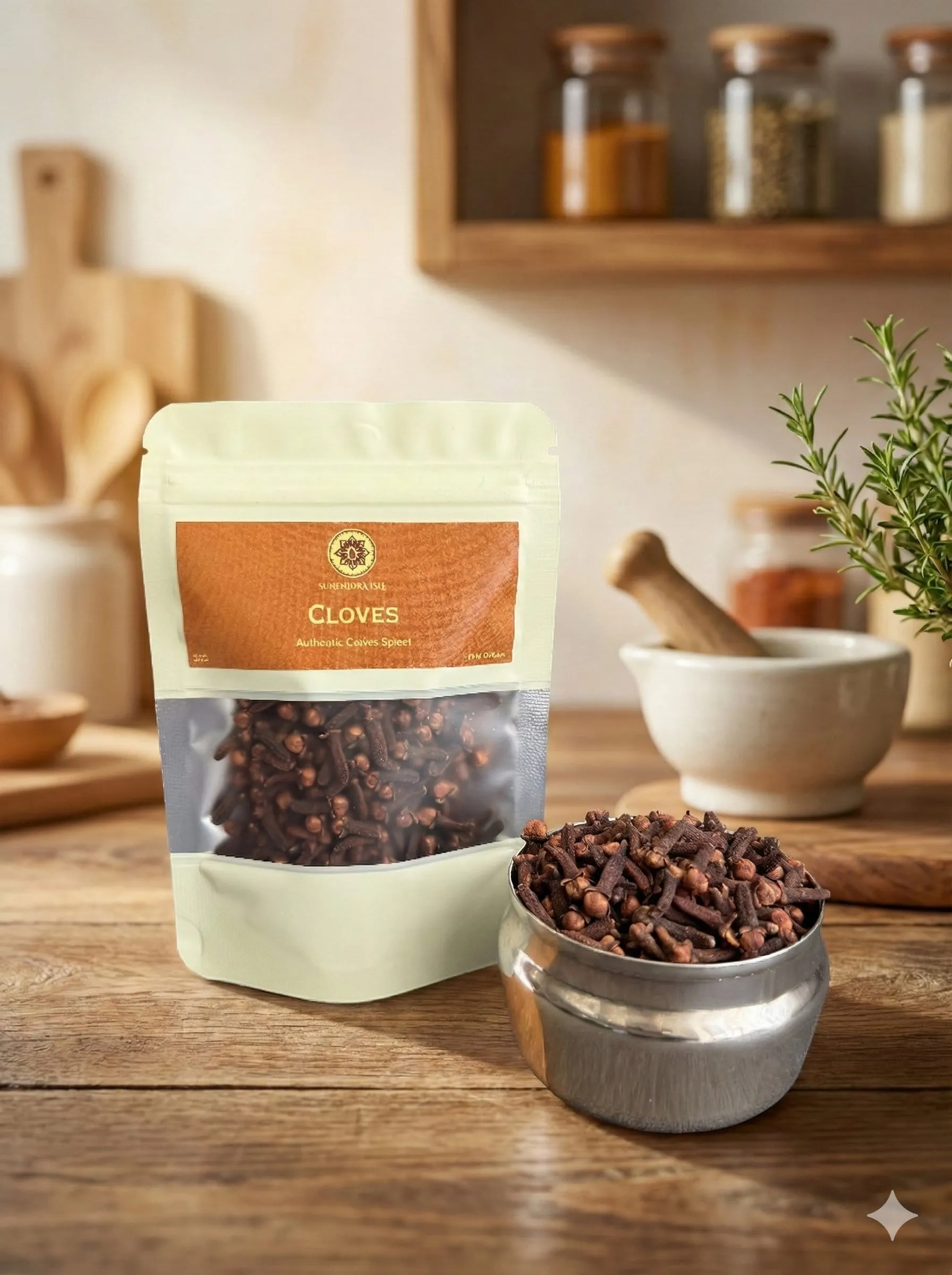
Ceylon Cloves
A spice at the heart of Sri Lankan heritage.
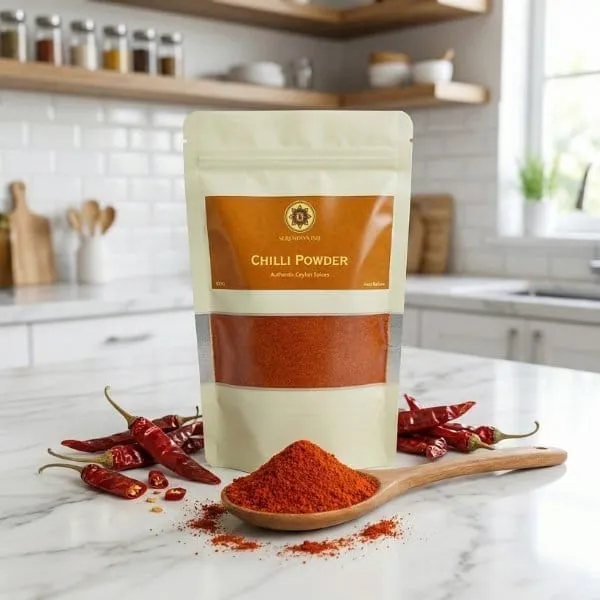
Ceylon Chilli Powder
Sri Lankan red chillies — vivid colour, real heat.